avoiding common pitfalls in cake printing for beginners
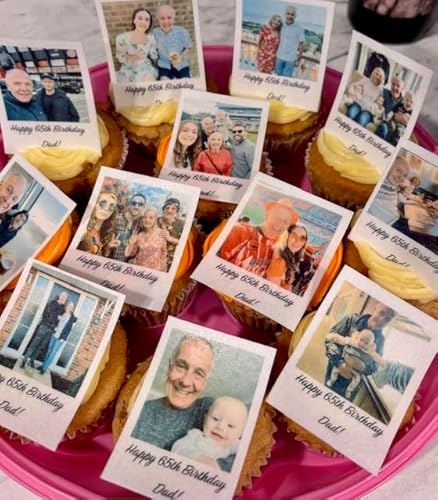
Cake printing is an exciting way to personalise your baked creations, allowing you to add intricate designs and vibrant images. However, for beginners, this process can be fraught with challenges. In 2026, we explore common mistakes that many first-timers make and offer practical advice to help you navigate the world of cake printing with confidence.
Understanding Your Equipment
One of the primary mistakes beginners make is underestimating the importance of familiarising themselves with their cake printer. Before you even think about printing, take the time to read the manual thoroughly. Each machine has its unique features and settings that can significantly affect the output quality. Additionally, ensure your printer is compatible with the type of edible ink and frosting sheets you intend to use, as incompatibility can lead to poor results.
Choosing the Right Edible Paper
Another common pitfall is selecting the wrong type of edible paper. There are various options available, such as wafer paper and icing sheets, each suited for different types of designs and printing techniques. Wafer paper is excellent for intricate decorations, while icing sheets provide a smoother finish ideal for vivid images. Experimenting with different types can help you understand their properties and how they interact with your printer.
People Also Look For:
- FineInno 50Pcs Christmas Black Top Hat Mini Cupcake Toppers Party Top Hats Magician Plastic Top Hats Doll Fancy Dress Craft Suppli...
- Ziranee Stanley Cup Straw Toppers,5PCS Reusable Silicone Straw Covers for 30oz & 40oz Tumblers Blue Disney-Inspired Dustproof Cup ...
- ELECLAND 39 PCS Mini Dinosaur Figures Toy for Kids Dinosaur Play Set Dinosaur Cupcake Toppers for Boys Girls Birthday Party Favors...
- 4 x edible 3D Extra Large 7cm Daisies Flowers icing toppers, cake cupcakes decorations T122 (White)
- dekora - Edible Wafer Decorations Stitch and Angel for Cakes and Cupcakes – Kids Birthday Cake Decoration – Gluten Free – 20...
Image Quality Matters
When it comes to cake printing, the quality of the image you choose plays a crucial role. Many beginners make the mistake of using low-resolution images, which can result in pixelation when printed. Always opt for high-resolution images to ensure clarity and detail. A resolution of at least 300 dpi (dots per inch) is recommended for the best results. If you're unsure, there are numerous online resources and tools available that can help you assess image quality before printing.
Calibration is Key
Failing to calibrate your printer can lead to misaligned images and inconsistent colour output. Regular calibration ensures your printer is functioning correctly and producing the highest quality prints. Follow the manufacturer's instructions for calibration, and consider performing this process periodically or whenever you change the ink cartridges or edible paper.
Mind the Colour Settings
Colour management can be tricky, especially for beginners. One common mistake is neglecting to adjust colour settings before printing. Your printer may not produce the same colours as your computer screen, as screens use RGB (red, green, blue) colour mode while printers typically use CMYK (cyan, magenta, yellow, black). Make sure to convert your images to CMYK format in an editing software to ensure accurate colour representation in your final print.
Practice Proper Storage of Edible Inks and Papers
Improper storage of edible inks and papers can lead to degraded quality and poor results. Make sure to store your edible inks in a cool, dark place, and tightly seal the bottles after use to prevent drying. Edible papers should be kept in a dry, airtight container to avoid moisture, which can affect their printability. Keeping your materials well-maintained is essential for achieving great results.
Testing Before the Final Print
Finally, one of the biggest mistakes beginners make is printing directly onto their cake without a test run. Always perform a test print on a piece of scrap edible paper before applying it to your cake. This allows you to check colour accuracy, alignment, and overall appearance. A small investment of time in a test can save you from potential disappointments on the final product.